
Czech made & Checkmate
On the evolution of soft lens manufacturing & a pilgrimage to the birthplace of Otto Wichterle
The evolution of contact lenses since 1887 has been a fascinating one, from glass-blown scleral shells in the late 19th century to the use of PMMA for scleral lenses, directly followed by corneal lenses in that material in the early to mid-20th century. This was a gradual process, starting with lenses for ocular protection and evolving to lenses to compensate the irregular cornea and later to correct refractive errors.
That was until late 1961, when not only was there a dramatic change in material for producing contact lenses, but the manufacturing process also was revolutionized at the same time. Together, this caused a significant shift in the history of contact lenses. This is a story about the roots quite literally – of the one person who made that possible, of course with the help of others. This is the story of a pilgrimage to the birthplace of Otto Wichterle in Prostějov in the Czech Republic, which happens to be much more than just the birthplace of this pioneer; it inspired new insights.
Tracks
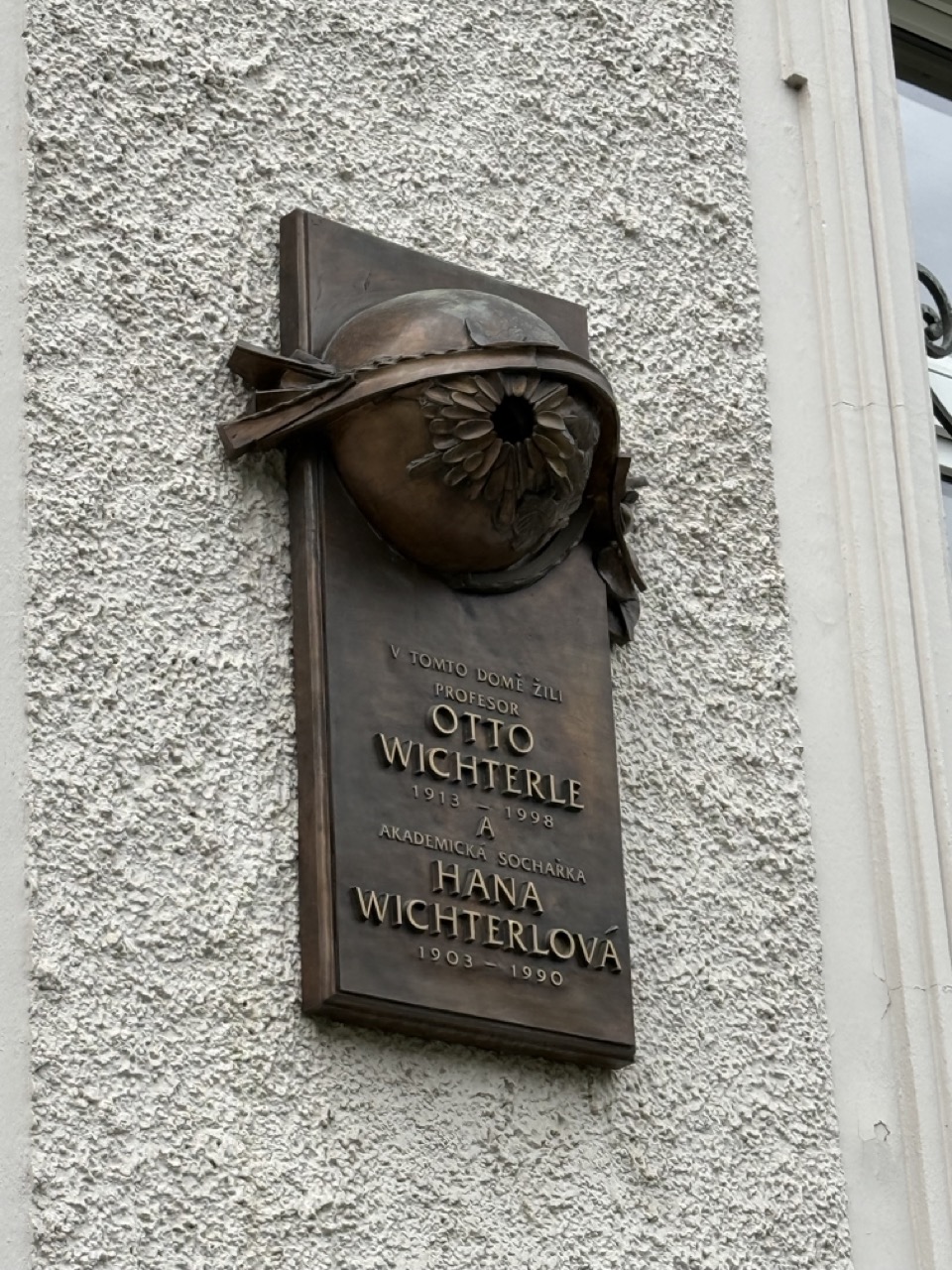
When you get off the train in Prostějov in Northern Moravia (Olomouc region), you literally set your feet on the tracks – those of the train and, figuratively, into the history of contact lenses. When you exit the train station and head straight down Svatoplukova Street for about 200 meters, you will arrive at number 53, a gigantic house on the right with a plaque (Figure 1) commemorating it as the house where Otto (and his sister, Anna Wichterle, a famous sculptures) lived. For me, this was the main purpose of my visit in between two optometric/ophthalmologic eye care conferences in Krakow, Poland and Vienna, Austria. The house is still in its original state and looks like a residence, but it now houses a variety of offices of small businesses. It is breathtaking to walk the exact stairs and be in the same rooms in which the inventor of soft lenses was raised and spent so much time.
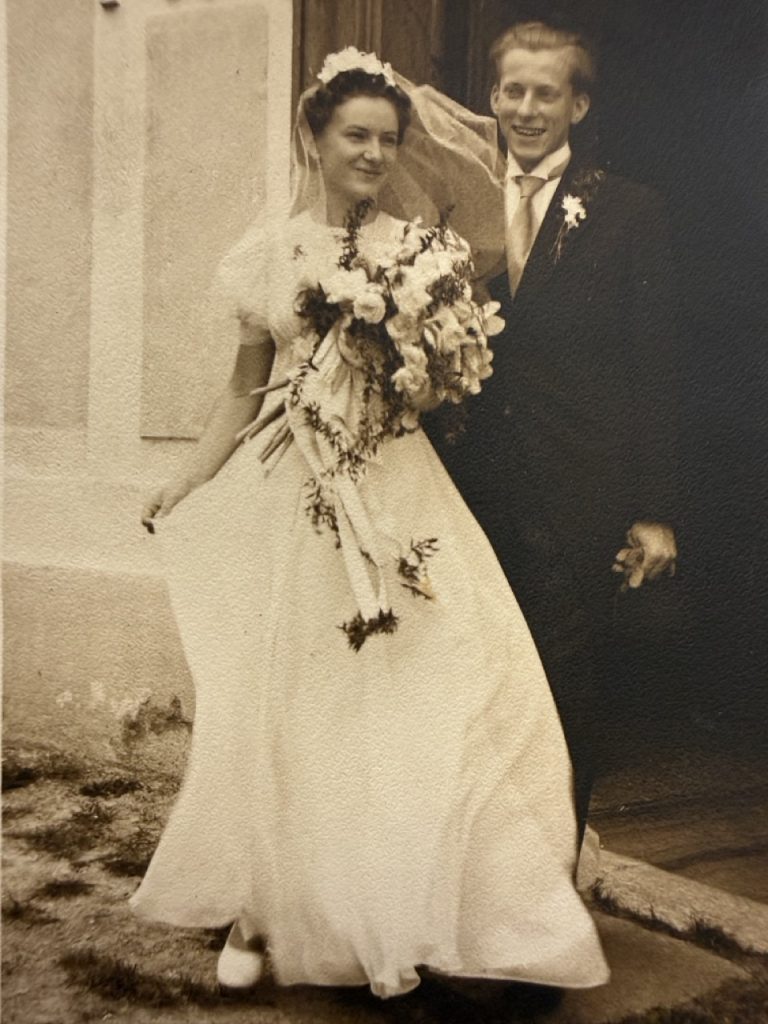
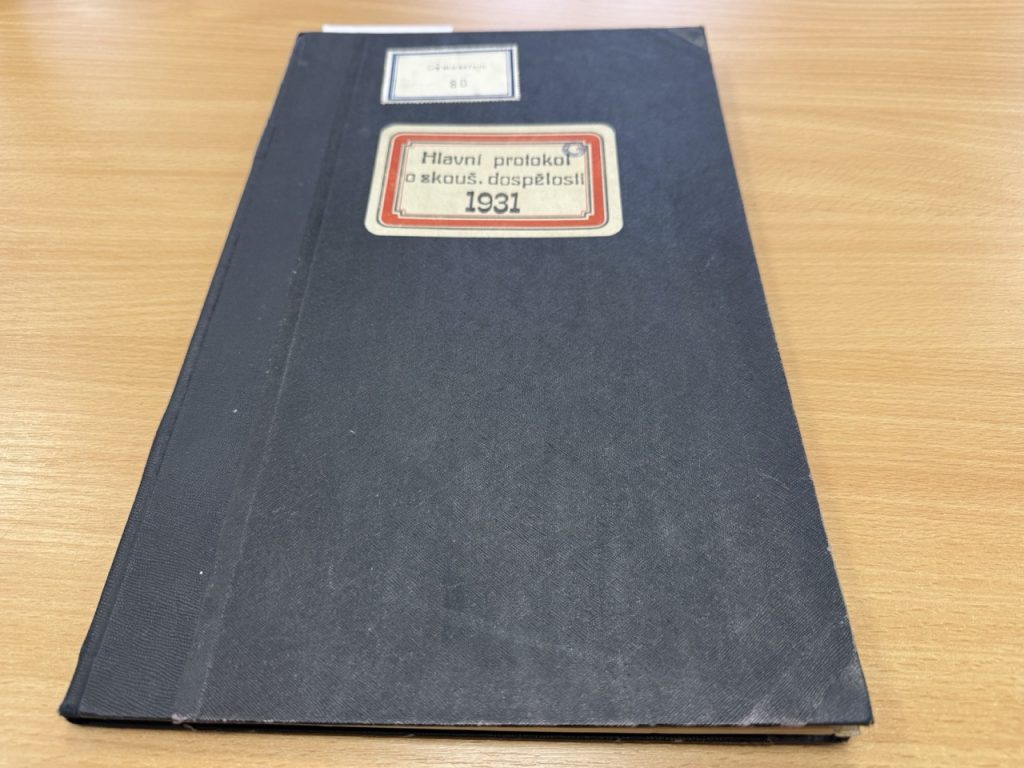
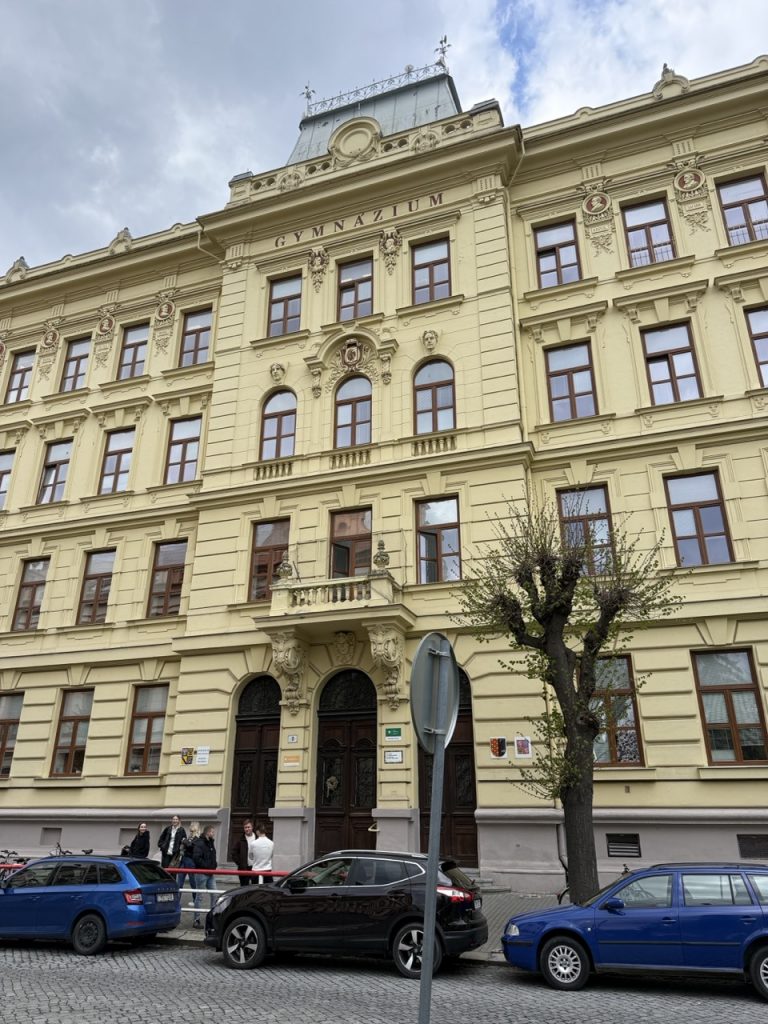
But visiting Prostějov turned out to offer much more than that. For starters, just a few houses ‘down the block’ on that same Svatoplukova Street is the Olomouc branch of the state district archives, Státní okresní archiv Prostějov. This was my first stop after the Wichterle house, and while my expectations were low, that proved to be completely unfounded. They had a dossier ready for me on Otto Wichterle, containing original materials such as a wedding photo (Figure 2) of Otto and Linda Wichterle from 1938, for instance, and the original report book (Figure 3) from his gymnasium school, which is situated only a few minutes from the family house (Figure 4). All his grades are impressive, but in the column marked ‘chemii a miner’ (chemistry and minerals), they were all checked as ‘1’ (the highest score possible, equivalent of ‘straight A’s’). An interesting fact is that chemistry was not his first love. Initially, he was predestined to go into engineering, as his mathematical skills were also outstanding, and he came from an engineering family.
Wikow cars
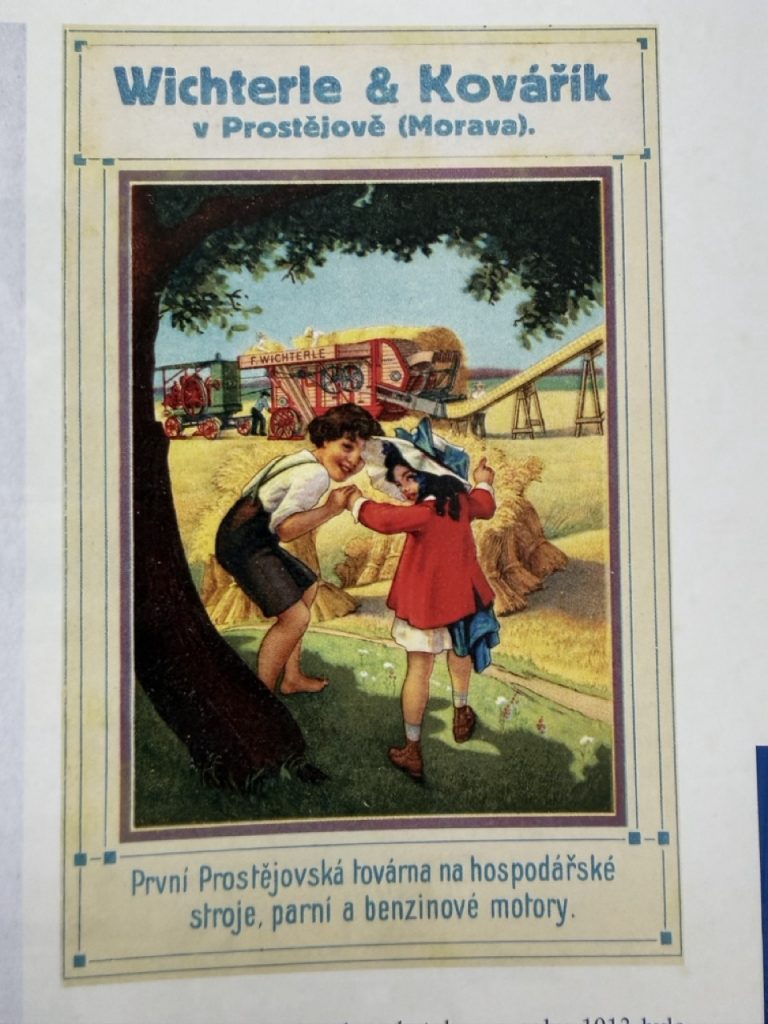
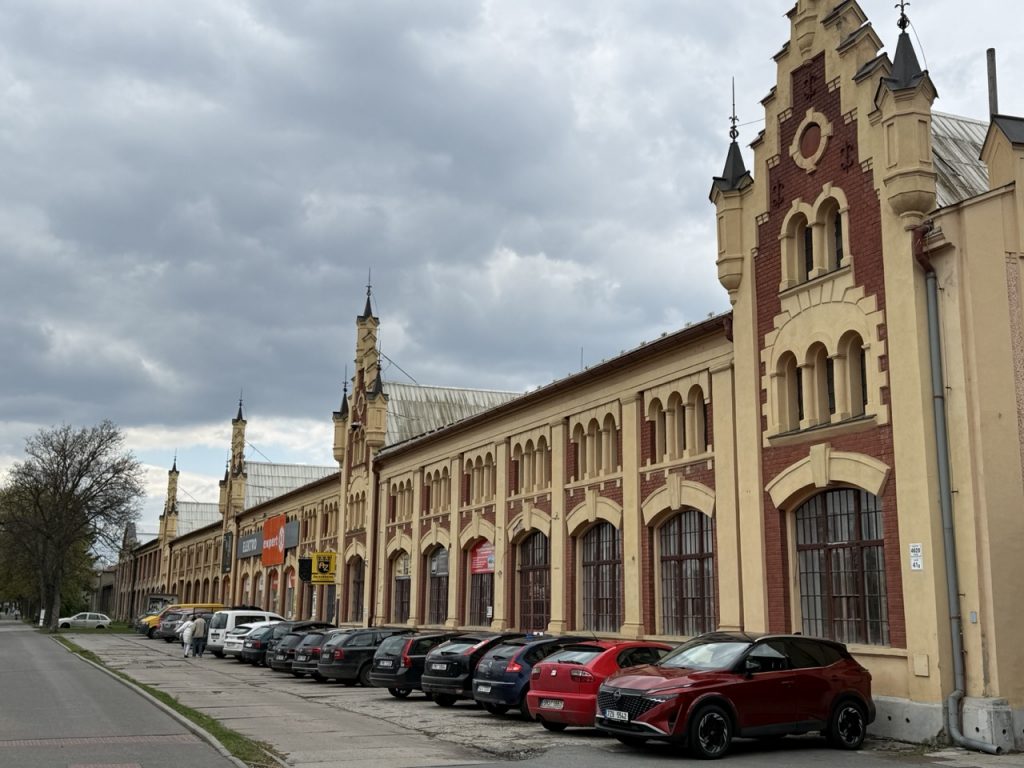
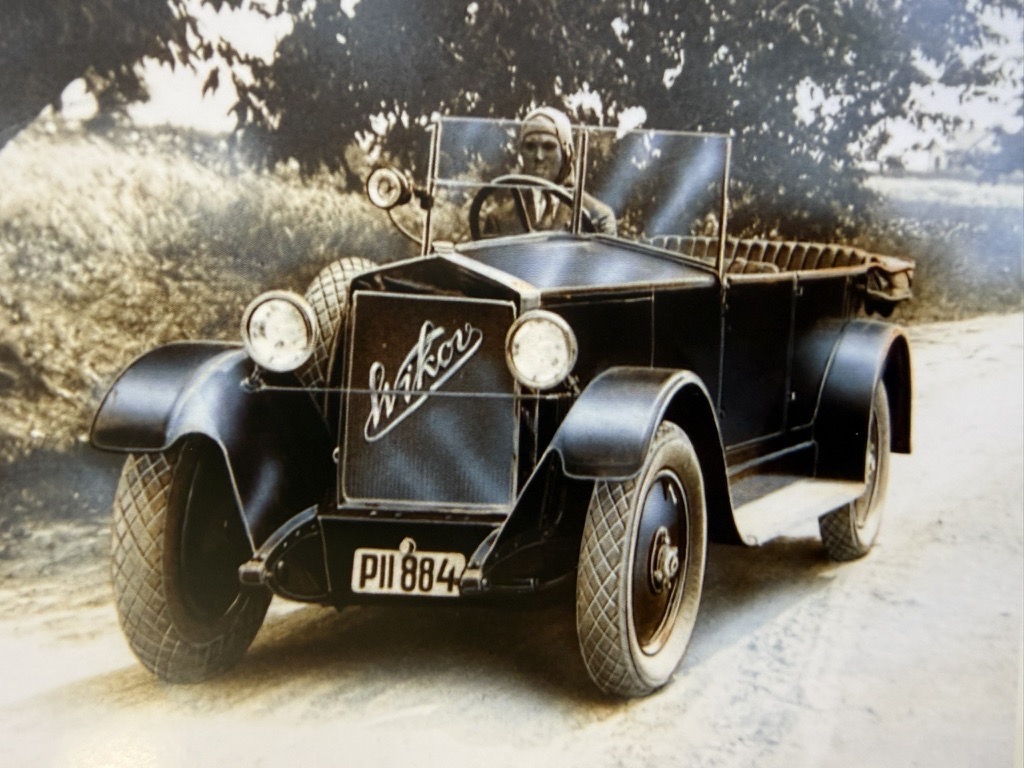
The inclination toward engineering came from his family businesses; the archives in Prostějov housed a lot of material about the Wichterle and Kovařík industry. These two prominent families in Prostějov produced agricultural machines, as the many advertisements from that time show (Figure 5). Later, these two families merged quite literally in the Wikow brand, where the ‘Wi’ stands for Wichterle. Otto’s father Karel ran the company with Otto’s uncle Lambert. The facades and buildings of these factories still stand, just outside the train station (and a stone’s throw away from their family house) (Figure 6). The Wikow car brand is iconic in the Czech Republic, and the nearby Olomouc Museum features many of these spectacular cars on display (Figure 7).
Merkur
We will get to the development of soft lens materials and chemistry soon, but it is imperative to stay with the mechanical background of Otto Wichterle to understand the full story. A little further up and just off the main square in Prostějov is what they call ‘the castle’: a beautiful building that houses different exhibitions. One of the exhibitions is a Merkur workshop; Merkur is similar to the UK version called Meccano, also known by the name Erector Set in the US: the children’s metal building toy material that was a predecessor to Lego in a way.
One of the highlights of this pilgrimage trip was the fully functional replica made of Merkur on display at the Castle of the manufacturing device that Otto Wichterle designed around 1961 (Figure 8). Professor Pavel Kratochvíl was a Czech chemist and polymer scientist as well as a colleague/successor of Wichterle. Pavel writes in his memories how Otto not only had excellent chemical skills; he mastered several other skills as well. He excelled, for instance, in glass blowing (the glassware dosing equipment for the Merkur machine was individually blown by Otto manually), and he also obtained a certificate as a lathe operator, of which he was very proud – even more so, maybe, than some of his academic honours, in Pavel’s words. One reason for this was his impatience; waiting for qualified craftsmen to do the work so irritated him that he learned how to work the machine tools himself.
“Otto Wichterle excelled in glass blowing, and he also obtained a certificate as lathe operator, of which he was very proud – even more so maybe than some of his academic honours”.
‘The rest is history’ – and the well-known and frequently repeated story follows in which Wichterle took his sons’ Merkur set and made a machine with the use of his eldest son’s bicycle dynamo (later to be replaced by the motor of a record player; unknown is whether he used the 45 or the 33.3 revolutions, or turns, per minute). His sons were 22 (Ivan) and 20 (Kamil) years old at that time, so they had surpassed the age for Merkur toys (intended for 10-16-year-olds, according to the manufacturer guidelines). Tim Bowden, in the book ‘Contact Lenses: The Story’, communicated this crucial piece of information as a result of a direct interview with Linda Wichterle: the Merkur set was given to the boys jointly much earlier, in 1946 according to Bowden.
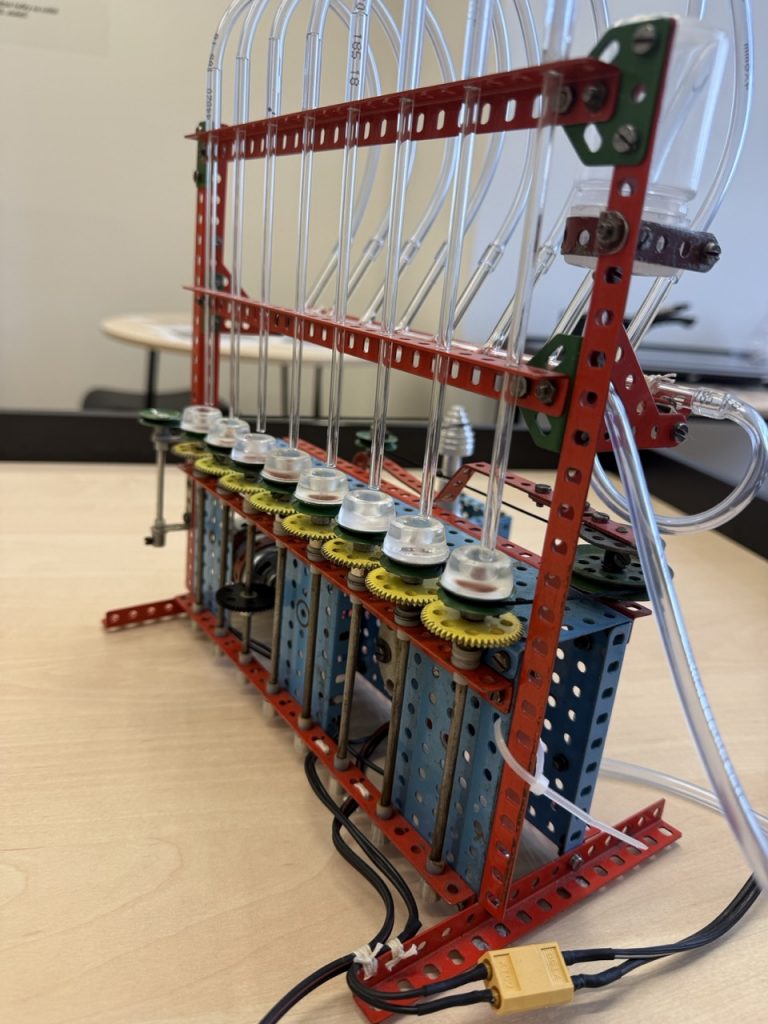
Otto Wichterle designed around 1961.
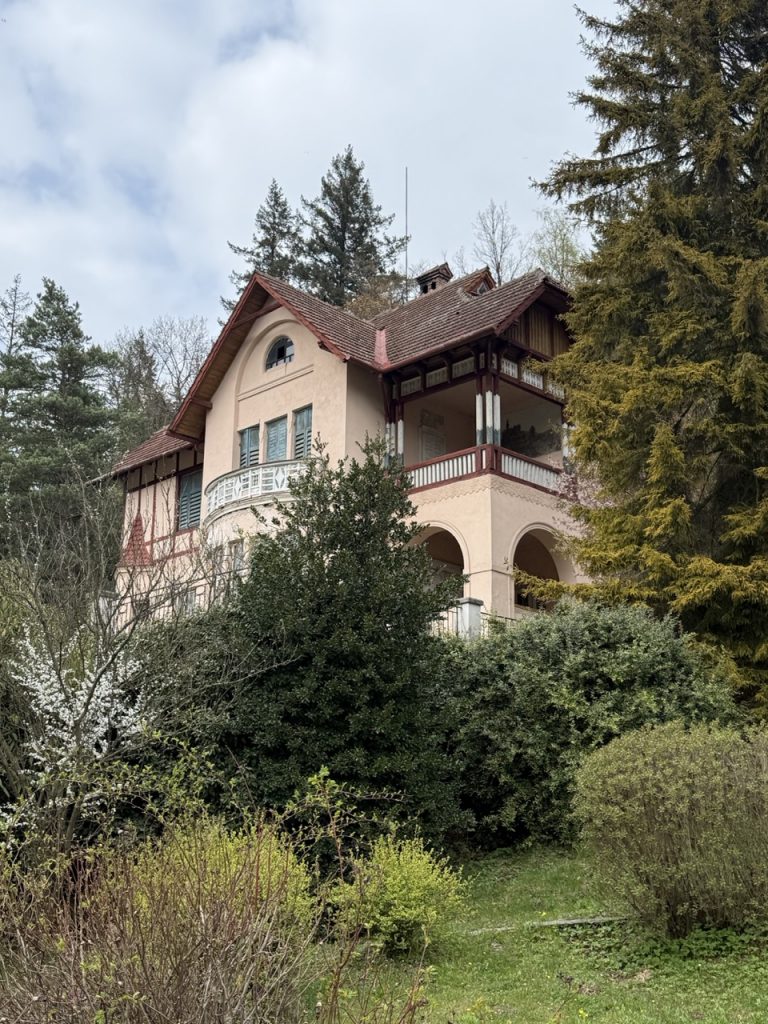
in Stražisku.
The original was a four-spindle machine that would spin small hollow metal cups (moulds), into which a few drops of the new chemical HEMA, he had taken from the lab home, was dripped and spun to cast the lenses. With polymerisation, one batch of lenses took 10 to 15 minutes, including dosing, to turn the fluid into a gel. On Christmas afternoon, with the help of his wife, Otto put the apparatus into operation and succeeded in producing the first four lenses with regular edges (a main problem initially) on the four-spindle machine. They were rinsed overnight in saline, and the next day he applied them to the eyes of hospitalised patients in the clinic of Dr. Dreifus (more on him further in this article). The lenses were very comfortable, and some type of over-refraction was achieved, although the power could be off by as much as seven dioptres in those first batches. That night, Otto Wichterle drafted a patent application for the spin casting of soft lenses and submitted it before the end of the year. With the four-spindle machine, he could make 50 useable lenses per day. By New Year’s Eve, he had built another machine with 13 spindles and later increased the size to 15. The original four-spindle machine was broken down and parts used for consecutive machines, but two of the later original machines still exist (a 15-spindle in Prague and a 13-spindle in St Louis in the US) in museums.
The coffee break breakthrough
The idea for the centrifugal forces seems to have come from when Wichterle was drinking a cup of coffee, the story goes. While stirring his coffee, he noticed the fluid would move from centre to periphery. The more force used, the more fluid was displaced. This became the technique later called spin-casting. The more speed used, the higher the power the lens would have. The shape of the back surface of the lens could not be controlled so much, though. The front surface was defined by the shape of the mould, but the steepness of the back surface of the lens was correlated with its power (higher-minus lenses would have deeper back surfaces): the faster you spun, the more the minus power but also the deeper the base curve. After Bausch & Lomb obtained the patent (which is a story in itself), one of the reasons why their subsequent lenses were marked in sagittal height values (SAG 0, SAG 1 and SAG 2) is because the base curve as such was not defined and could not be controlled with the spin-casting system. This changed when manufacturing was switched to moulding techniques.
Studying chemistry or engineering
To understand how we arrived at the creation of those first lenses in the Wichterle kitchen on Christmas day 1961, we need to go further back to Otto Wichterle’s roots. Returning to the chemistry side of things, it seems there were two defining moments in Otto’s life that led to the development of what we now know as the first soft contact lens. First, Otto wanted to continue his education in Prague studying mechanical engineering at the Czech Technical University. However, a friend from the tennis club (Otto was a fanatic tennis player, more about that later), Ing. Souček – a builder in Prostějov – convinced Otto of the advantages and prospects of chemistry as a scientific field and drew his attention to the fame of Emil Votoček, a professor of experimental inorganic and organic chemistry at the School of Chemical and Technological Engineering (VŠCHTI) in Prague. Wichterle changed his decision after the application deadline and belatedly requested permission to study chemistry, which was granted.
Fast forward – Wichterle later became full assistant of Votoček, and in 1948 he was appointed professor of technology of plastics at VŠCHTI and head of the department in this field at the school. For the record and for the completeness of this story, Wichterle’s professional career was not exactly helped or catalysed by two major political changes: the Nazis made work for scientists virtually impossible from 1939 onward (the Czech universities were closed effectively), and sadly for Wichterle, he was not given the opportunity to defend his PhD thesis on the synthesis of methyl sugars. The habilitation lecture before the commission was planned for the end of November 1939, but that timing did not turn out to be feasible after the invasion by the Nazis. During this regime, he was imprisoned for four months for ‘communist activity’ by the Gestapo.
During the occupation period, he worked for Bat’a (a company that still exists under the name Bata as a shoe manufacturer) elsewhere in the country. Wichterle developed (and patented) several new nylon materials during that time. After the war, he returned to Prague, but under the communist regime in Czechoslovakia in 1948, Wichterle faced political repression again; he was removed from prominent academic positions, restricted in his work and travel, and closely monitored by authorities. At certain points, he was detained and interrogated, especially around the period following the Prague Spring and its suppression.
On a train
But being back in Prague and at VŠCHTI, a new chapter in his life started. The second and well-known defining moment occurred when he met a fellow passenger during a train journey in 1952 from Olomouc to Prague. The fellow passenger was chemist Dr. Pur, who was reading an advert about artificial eye replacements by using tantalum (a metal). The vitreous of the human eye sometimes needs to be removed (a vitrectomy) and replaced to restore or protect vision by removing the damaged or obstructive vitreous gel and replacing it with a clear substitute so light can properly reach the retina (this is sometimes the case after cataract surgery). Wichterle started a conversation with Dr. Pur on this topic, and during this discussion, he realised that plastics would be a much better material than metal. In his laboratory in Prague, he began to search for the most suitable chemical composition of a possible plastic material that would not irritate the eye and could be adapted in shape and thickness.
Here the story cannot continue without mentioning Dr. Drahoslav Lím (1925-2003), who had a significant role in this. Dr. Lím is described as a co-author of sparsely cross-linked hydrogel polymers, and Wichterle himself says of his contribution: “…from my assistants only D. Lím seriously intended to devote himself to this topic …” The decisive favourable turn came when Lím used methacrylic esters of ethylene glycol, the well-known hydrophilic monomers, for radical polymerisation. Already during preparation of hydroxyethyl methacrylate, a beautiful, clear, water-swellable gel spontaneously formed in the distillation flask. In 1960, they published a paper together on ‘Hydrophilic Gels for Biological Use,’ – a short but sweet 735 word-article, which is very readable for non-chemists – in the leading international journal Nature.
From in the eye to on the eye
So, while the invention of the new material was revolutionary, the road from using this material for vitreous replacement in the eye to using it as a lens on the eye was a bumpy one. The potential of the material to Wichterle was clear, but the manufacturing process of making a ‘lens’ of this soft material was a long haul, and neither Lím nor Wichterle were in any way, shape or form physicians or related to eye care, optics or contact lenses. Wichterle did try the very first lenses on himself, but for further development he needed optical and ophthalmic input.
This is where the aforementioned ophthalmologist Dr. Maximilián Dreifus (1912–2008) comes in. At the beginning of 1961, Dreifus moved from the clinic to the Institute of Macromolecular Chemistry of the Czechoslovak Academy of Sciences in Prague, where he worked under Wichterle on the research and testing of hydrophilic plastics. There, he successfully defended his PhD-dissertation titled Experimental Experience with New Alloplastic Materials in the Eye. It seems, he is the first to have applied and assessed these new soft contact lenses on patients but reports on this are scarce. He is an honorary member, quite possibly the first, of the ECLSO (European Society for Contact Lenses and Ocular Surface). Further information on Dreifus is diffuse and somewhat controversial, including potential disputes between Wichterle and Dreifus over patents. Personal communications from Dutch contact lens specialist Günther Kolbe revealed that on a trip to the Netherlands around 1965, Maximilián Dreifus and some others from Prague (including government security officers) came to discuss and explain how fitting of these lenses would work. More than Wichterle, Dreifus was able to explain the ocular considerations and fitting issues.
Solution
The development of soft lenses from that point on was still not a walk in the park. First, the production process was far from perfect. An original letter by ‘Prof. O. Wichterle’ (in possession of the author, courtesy of Günther Kolbe) states: “The central radius of the parabolic curve varies in the range between about 7.0 and 9.0. It is possible to apply the lenses practically without respect to this radius because of the softness of the lens and its adaptability to the corneal curve.”
Also, at the time there was little knowledge about soft lens hygiene and microbial growth. Early package inserts for the lenses, which were sent in glass vials, contained guidelines such as ‘always inspect the lens for glass pieces’ (as the top of the glass vial needed to be broken off to get the lens out) and ‘yeast formation on the lens is not a problem as long as it does not cover the pupil area and impacts vision’. Very early lenses (sold under the name Geltakt before the brand became Spofa) were even sent in dry state, and the lenses were pressed flat (to be rinsed in water by the eye care practitioner upon arrival, to regain its original form). The solution to the soft lens hygiene problem was the use of proper storage and disinfection solutions and to keep the lenses hydrated at all times.
Stražisku
Back to Prostějov, or to Stražisku to be exact: a small town about half an hour (easily accessible via a tram) northwest of Prostějov where the Wichterles had their beautiful country house. Otto frequently recalled his many happy childhood memories from there, where he spent his summers, and many family photos picture him (and Linda) in this house. In fact, it was in this town that he met his wife Linda, as Otto was playing tennis with her mother at the local tennis club in Stražisku. Later, Linda and Otto retreated to this family house (Figure 9) during summers, with their children and after they retired. Both passed away in this very house in Stražisku, Otto in August 1998 and Linda in November 2023. The house is still in family possession, and a favourite summer destination.
Linda’s story is a little underrated, and her role is not widely recognized to the fullest extent, it seems, in this context. Born Ludmila Zahradníková, she was an excellent student; from 1928 to 1936, she attended the state classical grammar school in Prostějov, which she finished with distinction, then went to Prague to study medicine. After the closing of Czech universities in 1939, she could not continue her studies and returned to Prostějov; but at the end of the Second World War, she resumed her studies. During the war there was a lack of dentists, and this made her decide to switch from medicine to dentistry. She graduated in 1952 and subsequently worked as a dentist. Later, she worked in the Research Institute of Dentistry in Prague and so became Dr. Wichterlová.
While not credited as a co-author (e.g., on the Nature paper and others), she was Otto’s intellectual partner throughout the whole period and process, and she proofread all his books and papers. But she was much more than that, as she helped Otto set up and run experiments in their family home. Famously, the homemade spin-casting device, built from their children’s Merkur construction set that made the first successful lenses at their kitchen table, was something she helped operate and manage. Otto and Linda made lenses every night initially, and Linda continued to do so when Otto was at work. Empirically, they employed methods to select the shape of the mould and the composition of the monomer mixture. Apparently, Linda personally manufactured more than 5,000 of this first generation of hydrogel contact lenses by hand.
Cemetery & closing
My final stop was at the local cemetery in Prostějov, where both Otto and Linda are buried in the family tomb. Otto passed at the age of 84, and Linda remained active and dynamic until she died at the age of 106.
In summary, we can say that the development of the soft lens as we know it resulted from of a number of more-or-less coincidences combined with academic and scientific rigor. It was not just the development of the material that was pivotal; Wichterle surely collaborated with Lím, who deserves credit for his role in this. For the next phase, though, of turning the material into a functional lens to be used on the eye, Wichterle turned to his engineering skills and background, of which he had plenty to fall back on, with his family business of agricultural machinery and car manufacturing. This combination was certainly the ‘checkmate’ for the manufacturing of contact lenses (and IOLs to some degree) from that point forward, as of course the combination of this new material together with a revolutionary manufacturing technique would change the landscape of contact lenses as we know it – forever.
All this paints the beautiful picture of the landscape of our contact lens manufacturing field. We need the essential skills and tools of lens manufacturing – e.g., from lathes to diamonds and wax – and knowledge of the anatomical and physiological properties of the human eye to understand how they align and interact. That’s why it is such a fantastic industry to be in, with journals such as GlobalCONTACT and meetings like EFCLIN to attend and share knowledge and move this industry and profession forward, like walking in the footsteps of Otto Wichterle’s legacy.
Acknowledgements:
Many thanks to the exceptionally nice and helpful people in Prostějov, especially Filip Gregor from the Museum and Gallery in Prostějov, who gave me a full-day tour, Gabriela Dosoudilová, Tereza Snášelová and Aleš Procházka from the Prostějov Castle, and Roman Paulo plus Romana Němcová from the state district archives in Prostějov.
References:
Bowden T. (2009). Contact lenses: The history. Bower House Publication.
Caroline P, Norman, C. (2021) The Contact Lens Museum – http://www.thecontactlensmuseum.org/
Kvapilová Nováková M. (2021). Automobilka Wikov: síla – jistota – krása. ISBN 978-80-86276-33-5.
Kolbe G. (20226). Personal communication. Dokoupilová M (ed.).
Otto Wichterle (1913–1998): 100th Anniversary of His Birth. Prostějov: Museum of the Prostějov Region in Prostějov, 2013. ISBN 978-80-86276-38-0.
Michálek J. (2018) History of soft contact lenses: or how it really happened.
Wichterle O, Lím D. (1960). Hydrophilic gels for biological use. Nature, 185, 117–118.
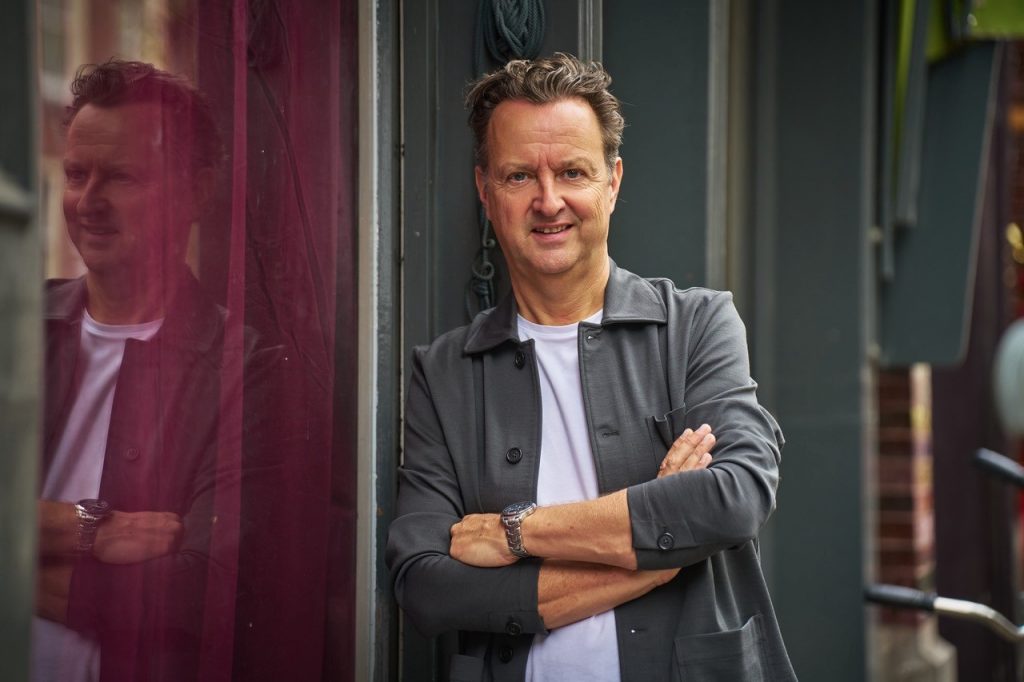
Eef van der Worp, Eef van der Worp OD PhD is an educator and researcher, who runs his own research & education consultancy ‘Eye-Contact-Lens’ is based in Amsterdam (NL). He is a fellow of the AAO, BCLA, IACLE and the SLS. He is adjunct assistant Professor at Pacific University College of Optometry (Oregon, USA), and adjunct Professor at the University of Montreal University College of Optometry (CA).