Czech made & Checkmate
Otto Wichterle’s pioneering work changed the future of contact lenses. Eef van der Worp revisits the inventor’s remarkable legacy and its lasting impact on modern contact lens practice.


Otto Wichterle’s pioneering work changed the future of contact lenses. Eef van der Worp revisits the inventor’s remarkable legacy and its lasting impact on modern contact lens practice.

High-order aberrations can significantly influence visual quality and contact lens performance. Filippo Selden explains their clinical relevance and practical implications.
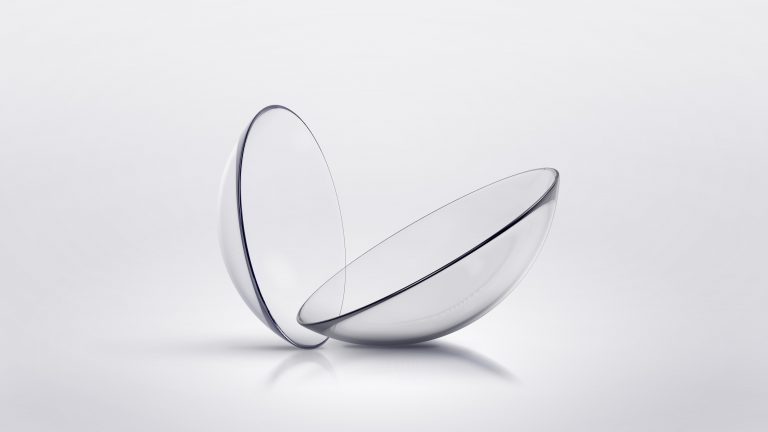
Microplastics have already been investigated in intraocular lenses—but what about contact lenses? Dr. Borkenstein examines the current knowledge and raises important questions for clinical practice.

Even the most advanced manufacturing technologies cannot unlock their full potential without the right processes and leadership. Erik Larsen and Dr. M. Peter Scontrino explore how continuous improvement and Lean thinking can drive sustainable competitive advantage. Explore the full article.
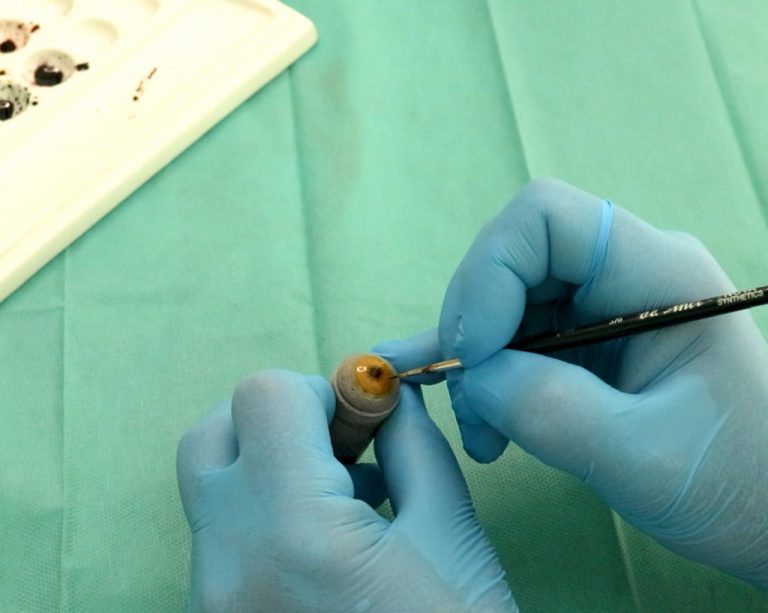
Discover the fascinating world of hand-coloured contact lenses. Lefteris Karageorgiadis shares his techniques, experience and the craftsmanship behind creating individually painted lenses. Continue to the article.

The EFCLIN Congress in Sitges brought together experts from across Europe to discuss the latest developments in contact lenses and IOL. Our comprehensive report includes key highlights, photo impressions and an exclusive interview with Marion Beeler-Kaupke and Helga Seiler. Read the full congress report.
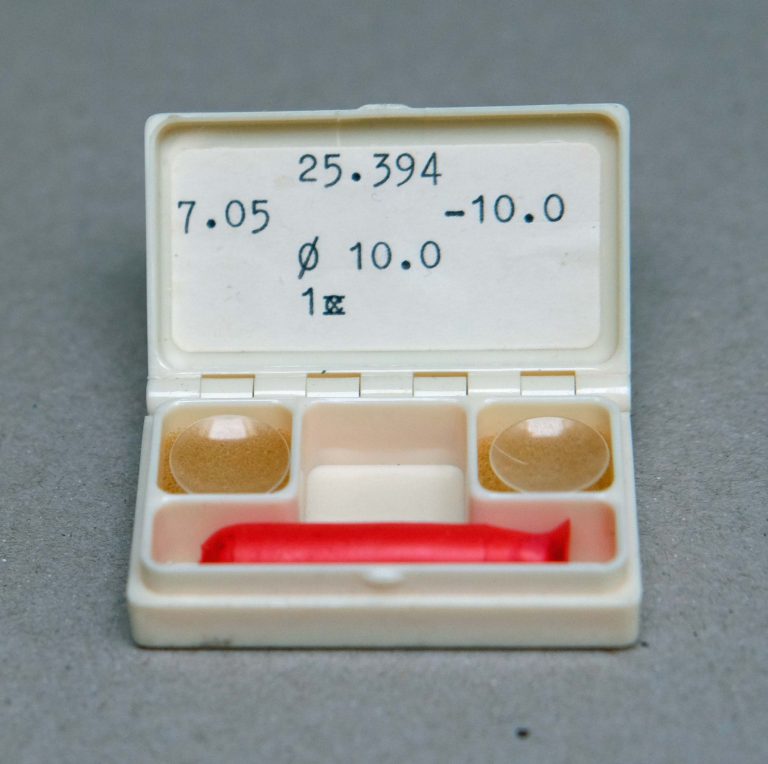
Even though the contact lens is barely 150 years old, the history of its development is almost forgotten. It began with the attempt to cover irregularities in the corneal contour using a hemispherical glass disc and to mask them with the help of tear fluid.
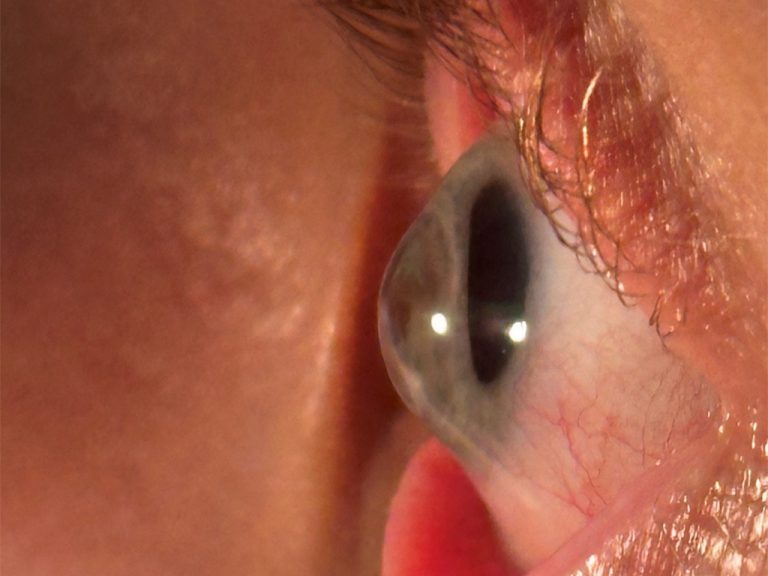
Irregular corneal shapes have always posed particular challenges for contact lens fitters. Keratoconus, pellucid marginal corneal degeneration, postoperative scarring and corneal steps following penetrating keratoplasty or refractive surgery, as well as scarring following trauma, can significantly impair the optical quality of the corneal surface.
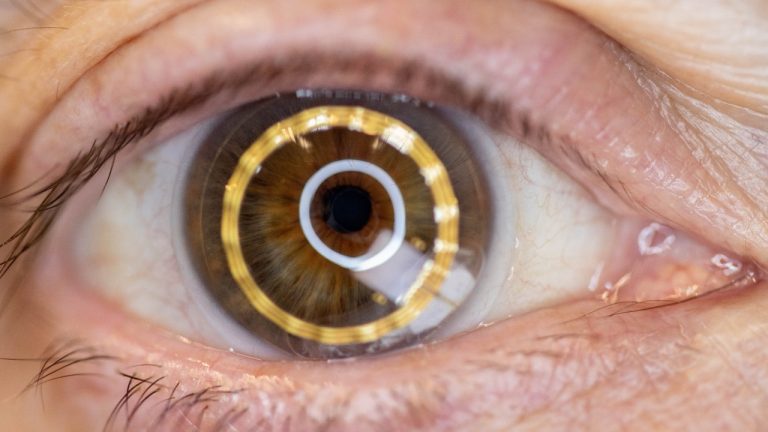
Contact lenses (CLs) have evolved from simple refractive devices into sophisticated biomedical platforms capable of a wide variety of functions, including diagnosing systemic and ocular disease, monitoring physiology, being used for a number of advanced optical functions and, the purpose of this review, delivering topical ophthalmic drugs.

Excellence in contact lens manufacturing is driven by leadership, culture and a constant willingness to improve. Inspired by observations from elite sports and international industry meetings such as the Global Specialty Lens Symposium (GSLS), this article explores what distinguishes highly efficient laboratories from average performers.