EFCLIN 2026 in Sitges

Record numbers, new momentum, and an emotional leadership transition
With 343 participants from 35 countries and 31 exhibitors, the 52nd EFCLIN Congress & Exhibition, held in Sitges near Barcelona at the end of April, set a new attendance record. In addition to topics such as artificial intelligence, HOA correction, and regulatory challenges, one personnel decision in particular shaped the event: After eleven years at the helm of EFCLIN, Executive Director Marion Beeler-Kaupke announced her retirement at the end of 2026. Helga Seiler will succeed her.
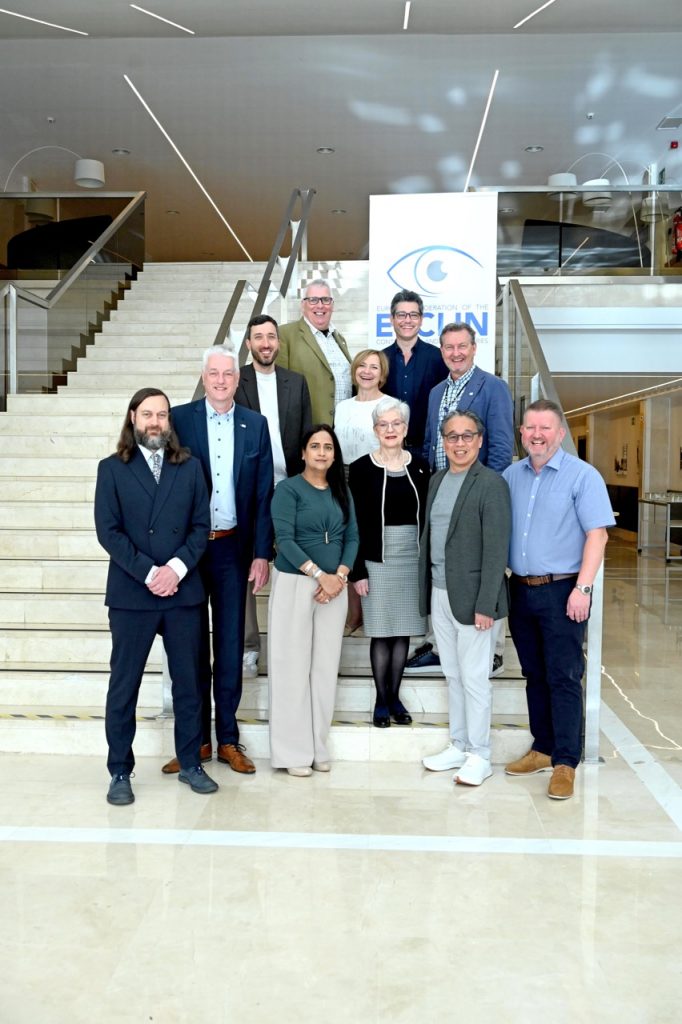
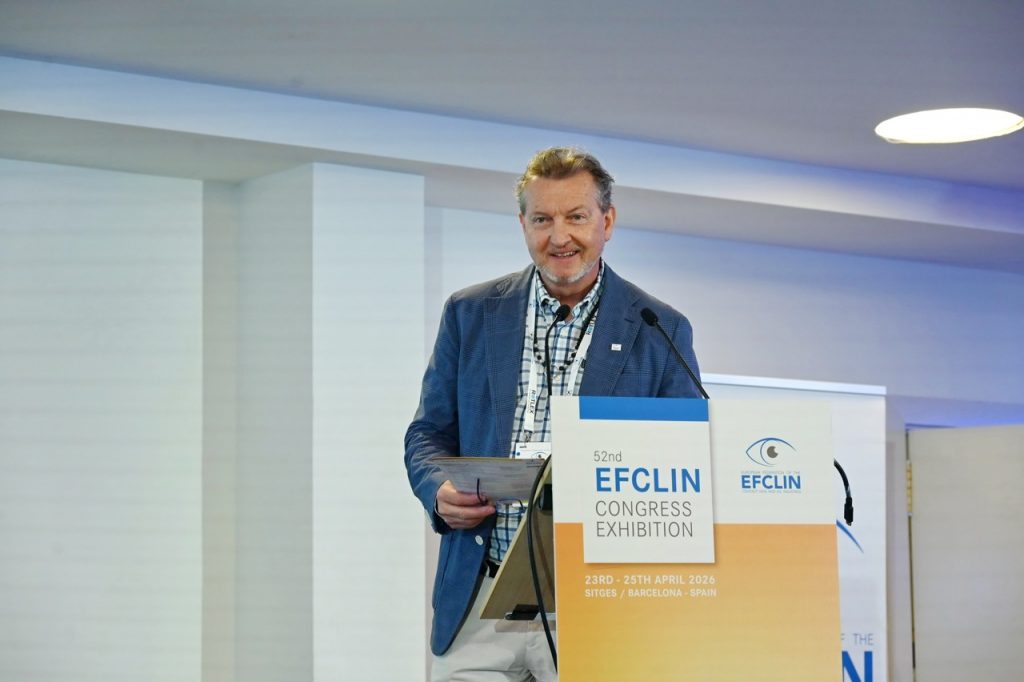
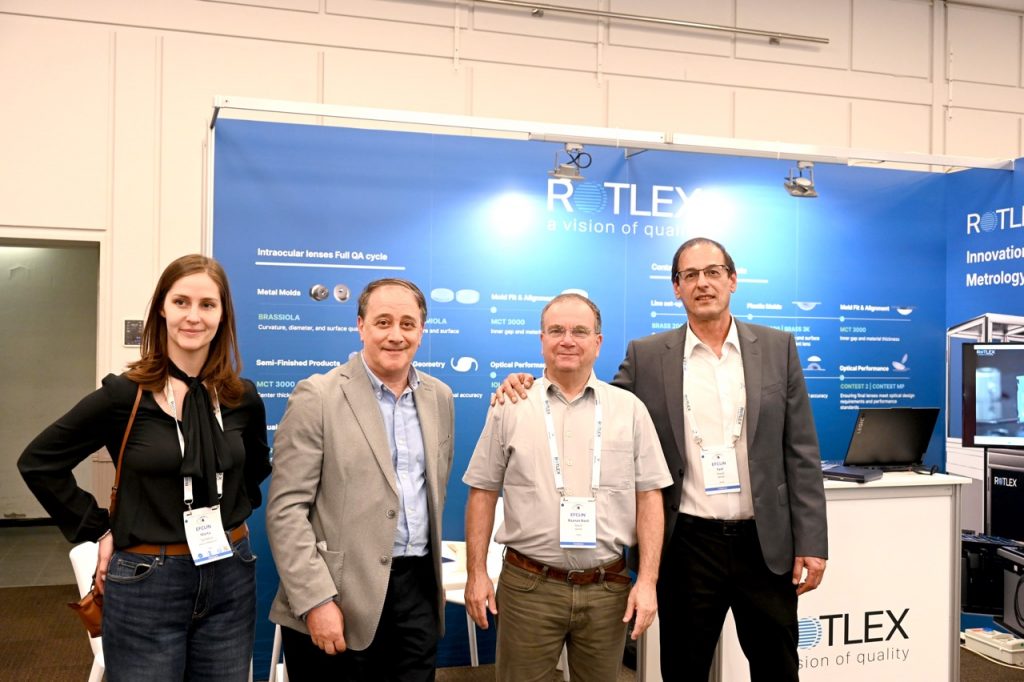
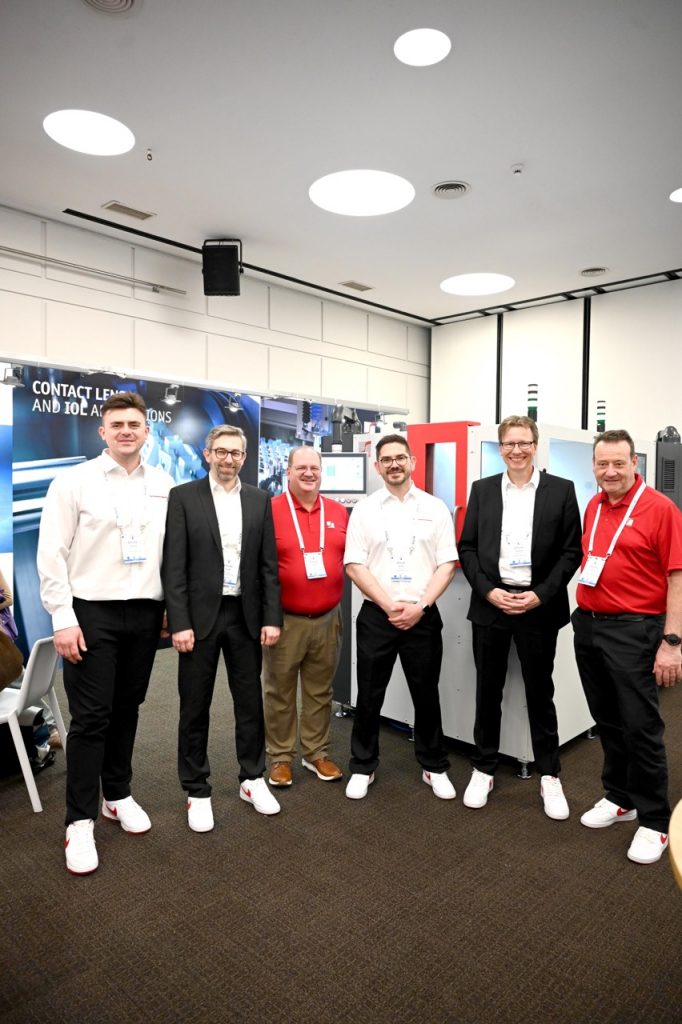
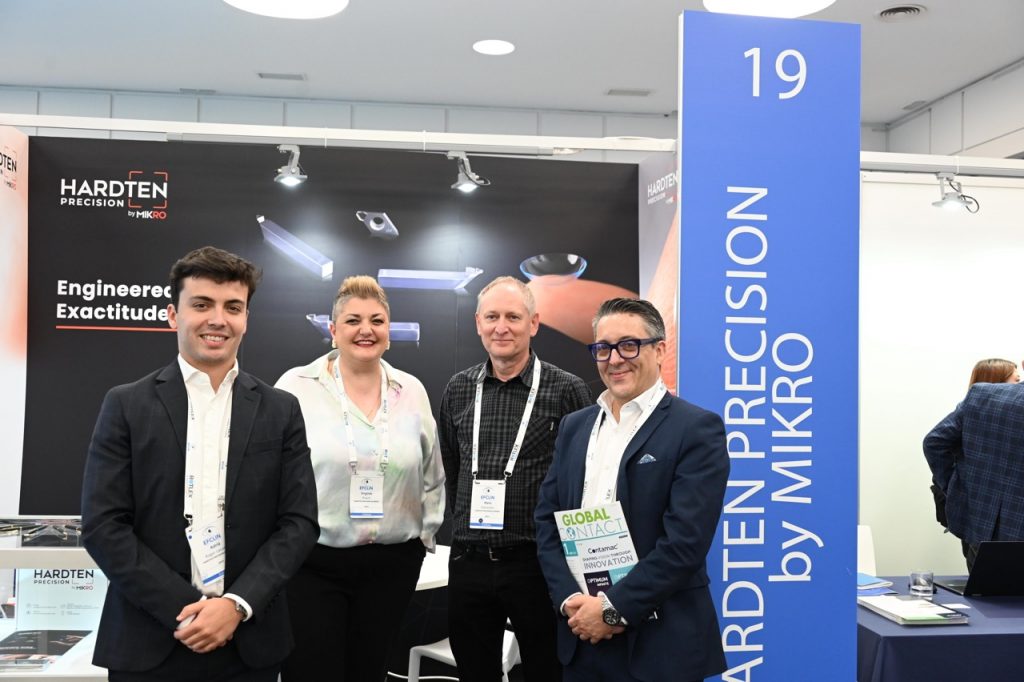
From April 23 to 25, the international contact lens and IOL industry gathered for the 52nd EFCLIN Congress & Exhibition at the Meliá Sitges, south of Barcelona. This was the second time the venue had hosted the congress. With 343 participants from 35 countries and 31 exhibitors, the event set new records.
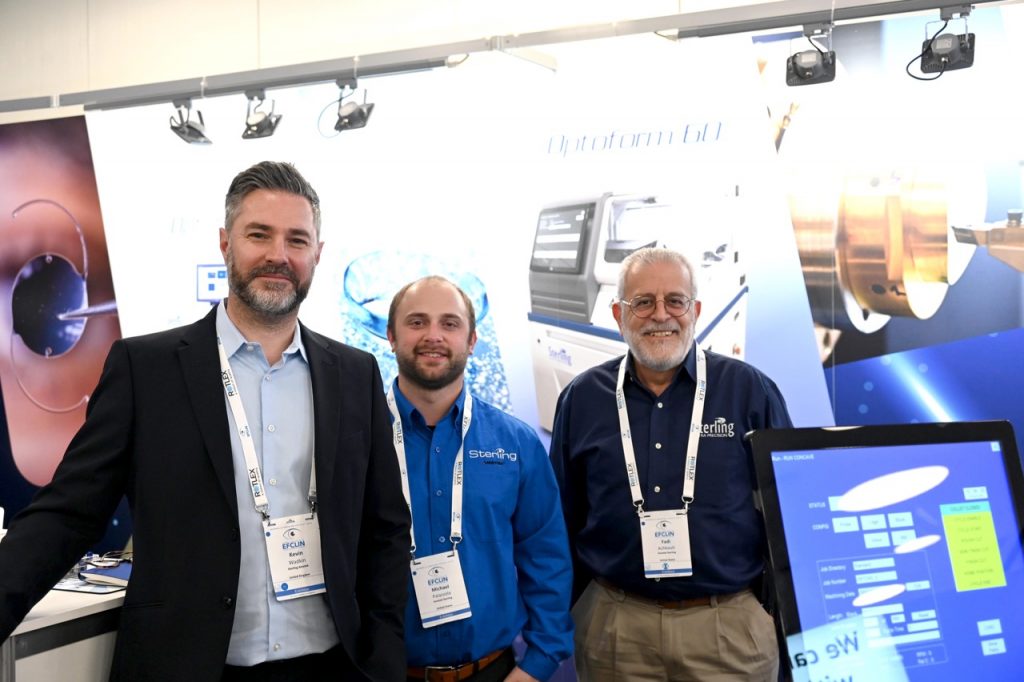
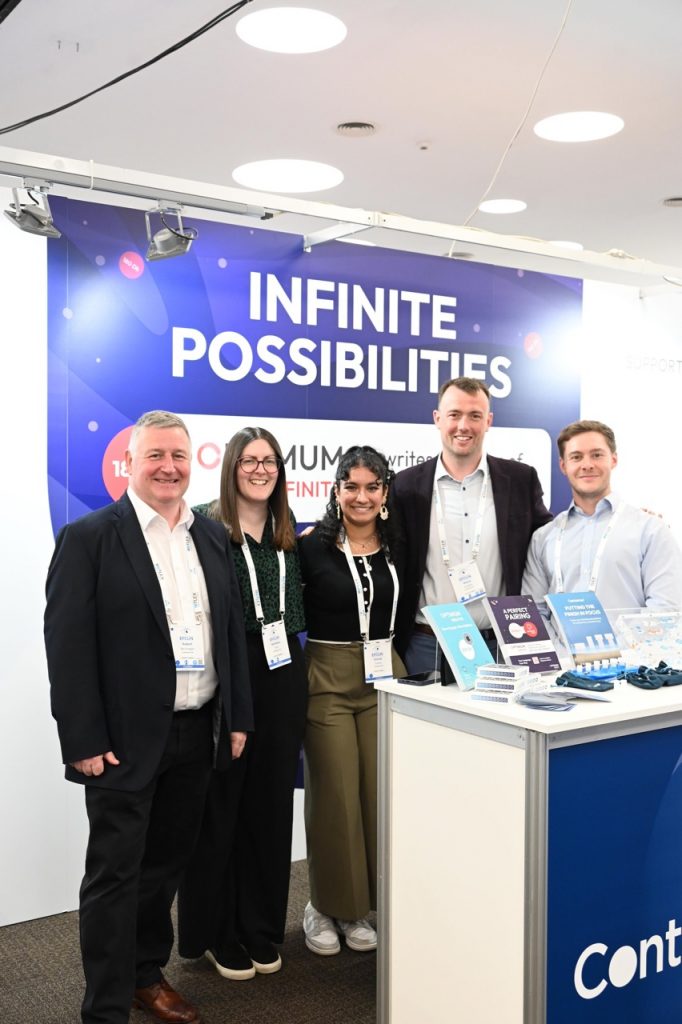
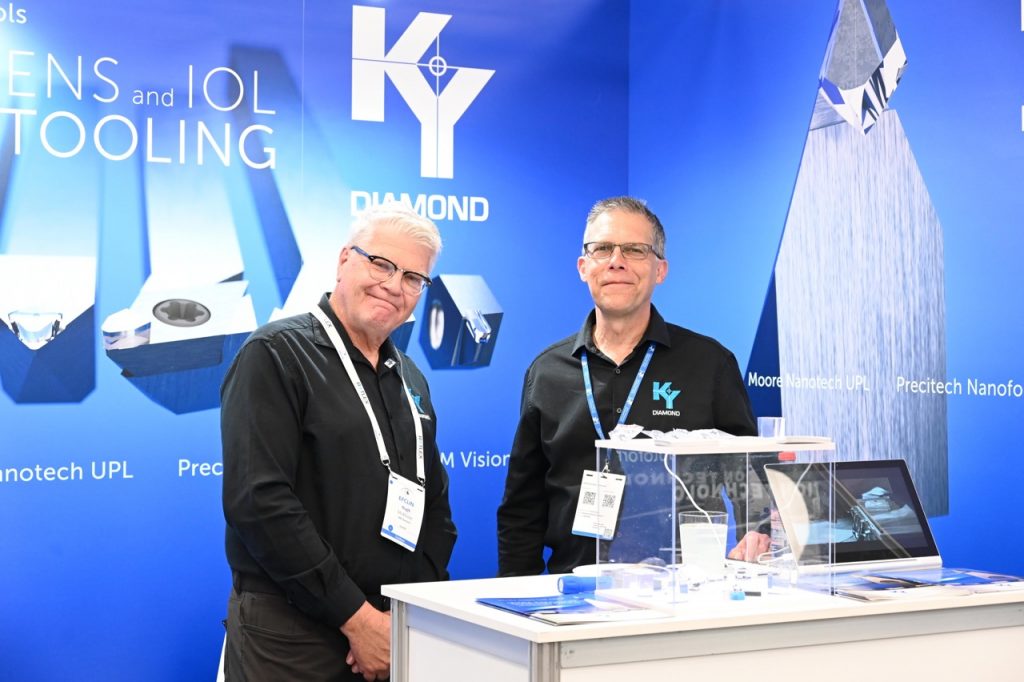
These figures reflect the growth EFCLIN has experienced in recent years. Despite economic uncertainties, regulatory challenges, and numerous changes within the industry, the congress remains a key meeting place for lab owners, manufacturers, suppliers, and service providers. Several new exhibitors also took the opportunity to present themselves to the international community for the first time.
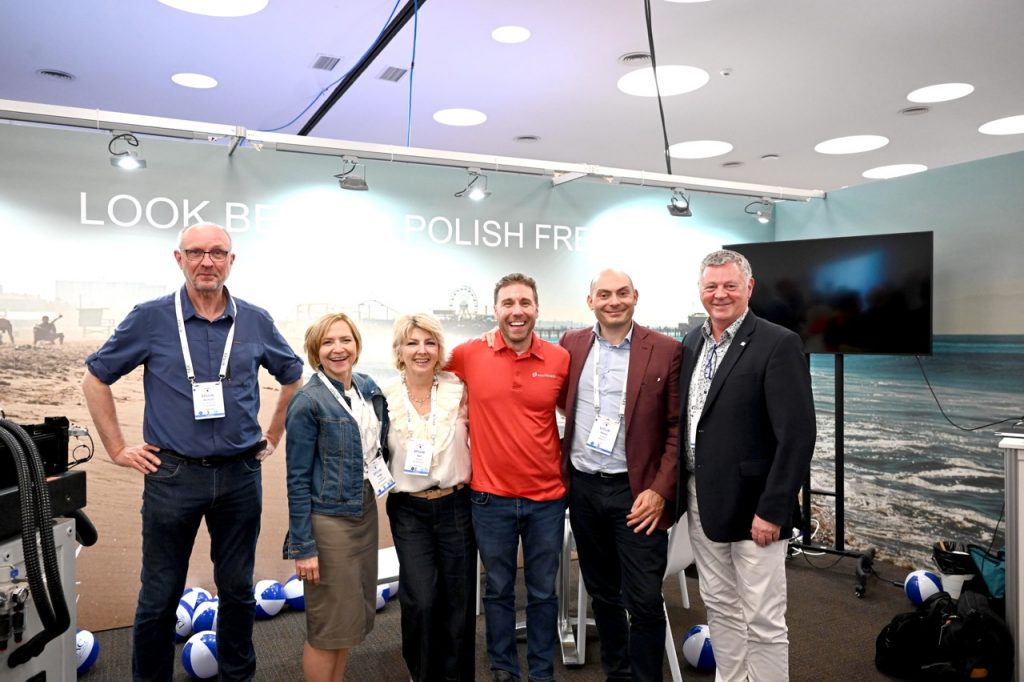
However, anyone attending an EFCLIN event for the first time likely realized quickly that the event is far more than a traditional trade show. Personal interaction, the close-knit atmosphere, and the exceptionally open environment have defined the character of the congress for decades. This unique blend of professional rigor and human connection was once again palpable throughout the 2026 event.
A kickoff with a special ambience
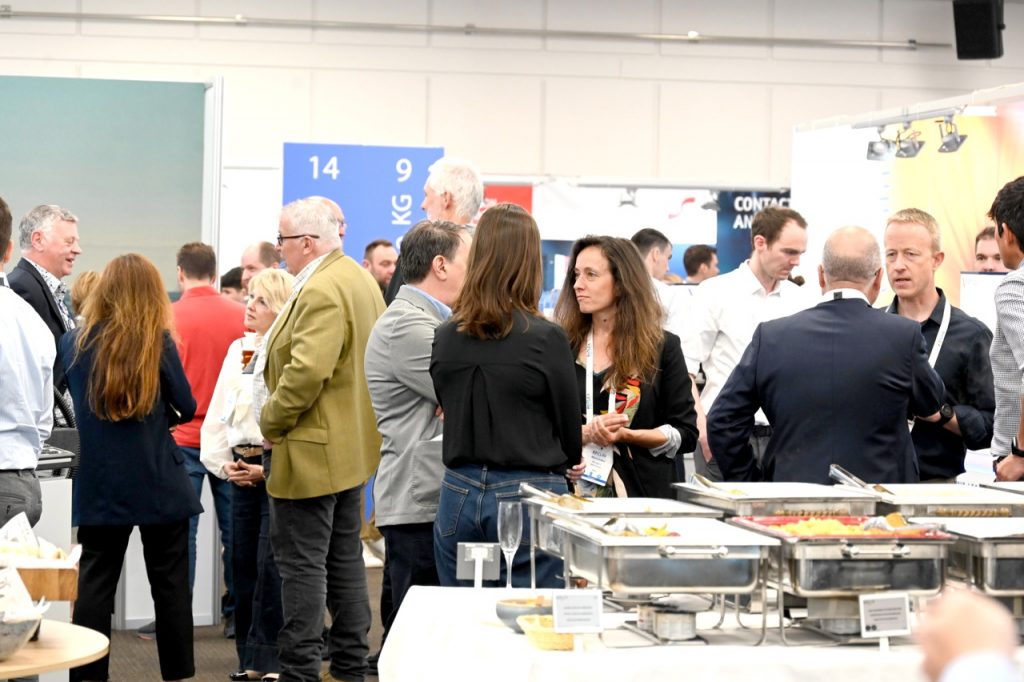
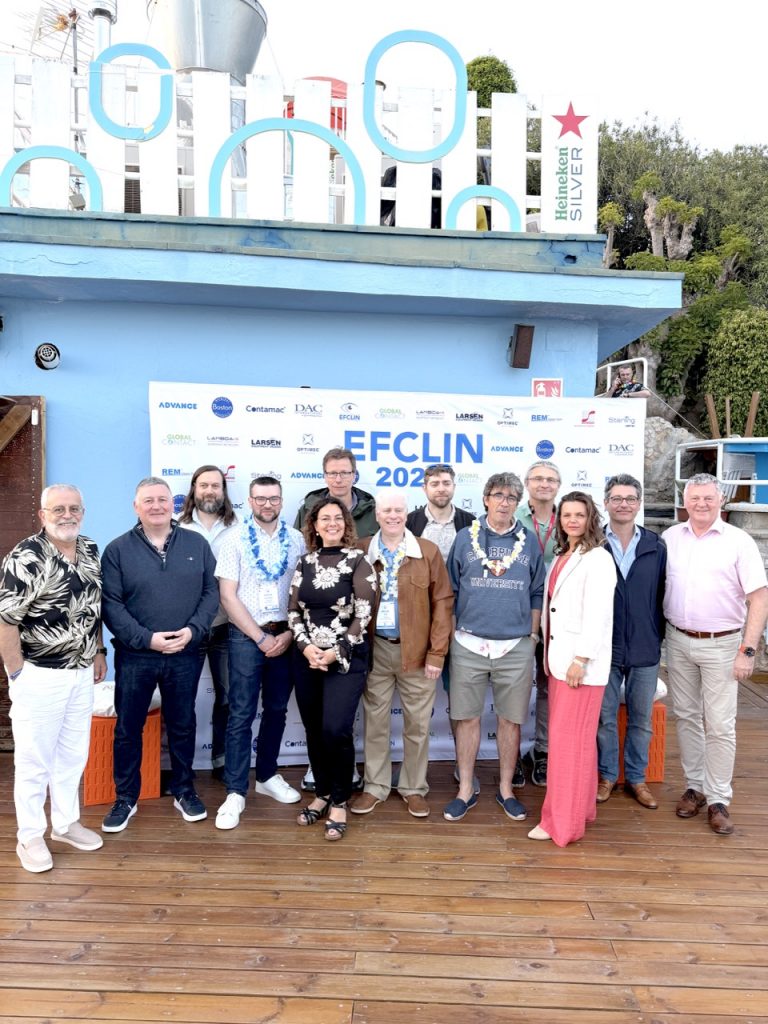
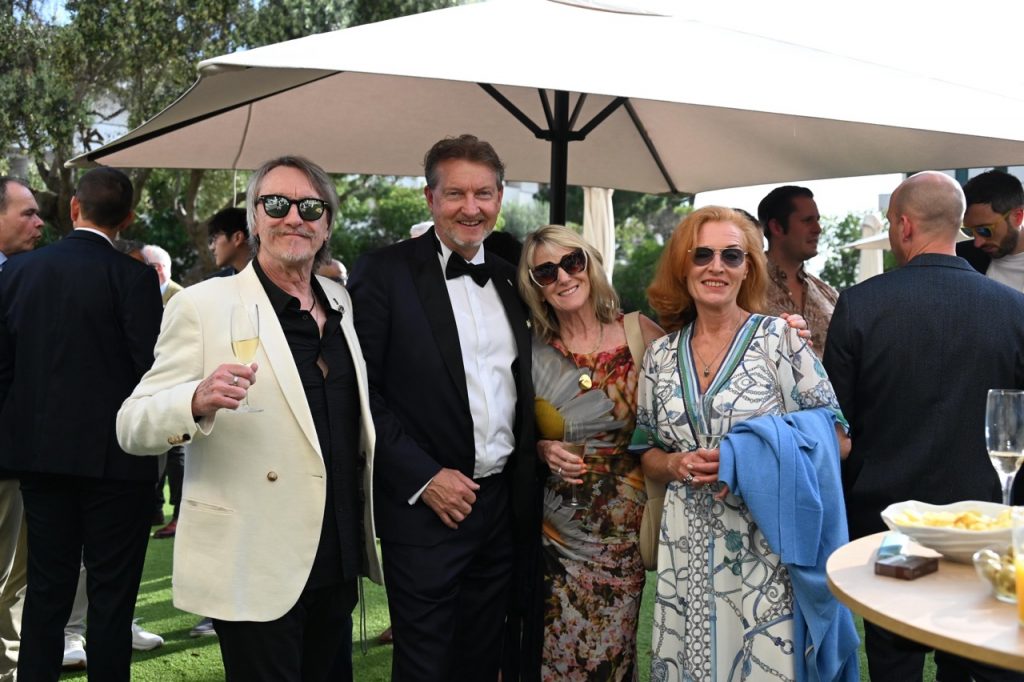
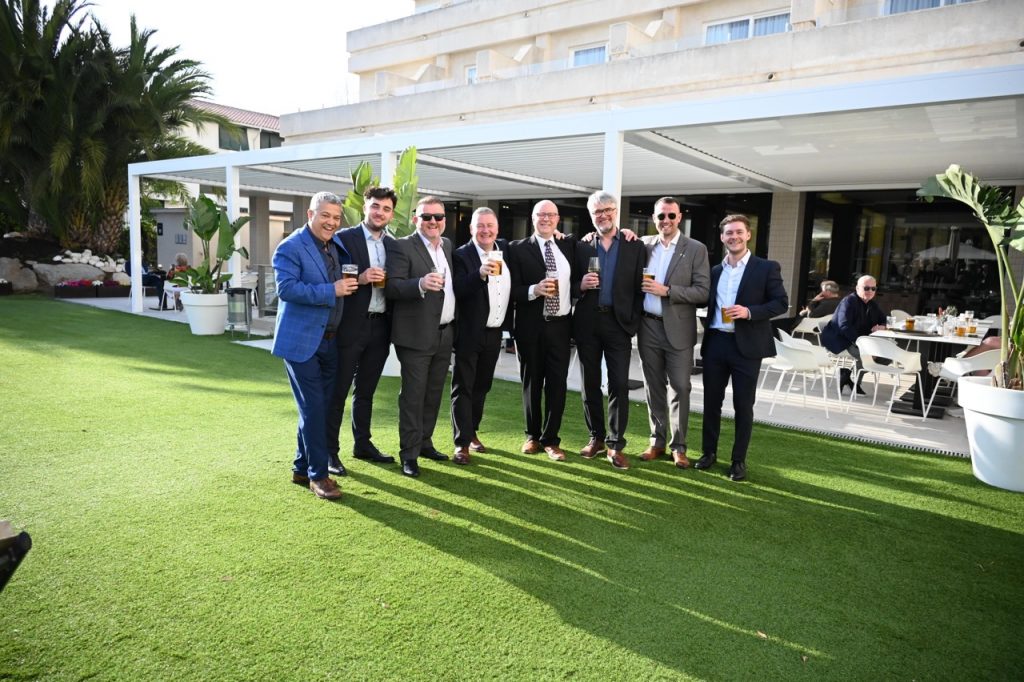
The event reached its first highlight as early as Thursday evening. Eleven sponsors had joined forces to host a joint evening event for the participants. The venue, perched above the sea with a view of Sitges’s old town, provided an impressive backdrop for an evening that is sure to remain in the memories of many guests for a long time to come.
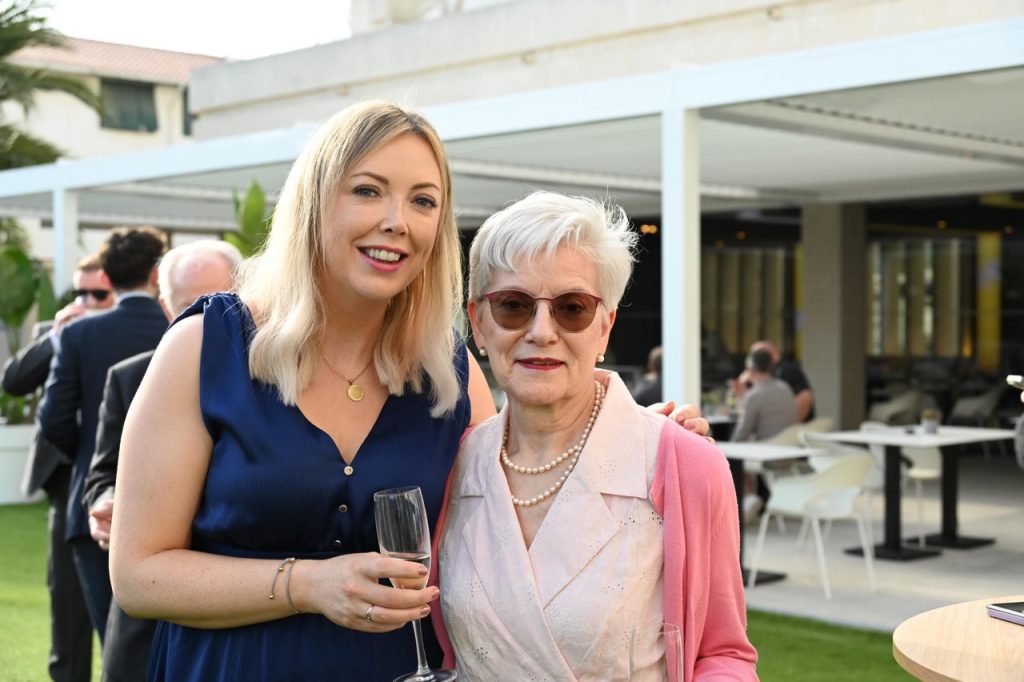
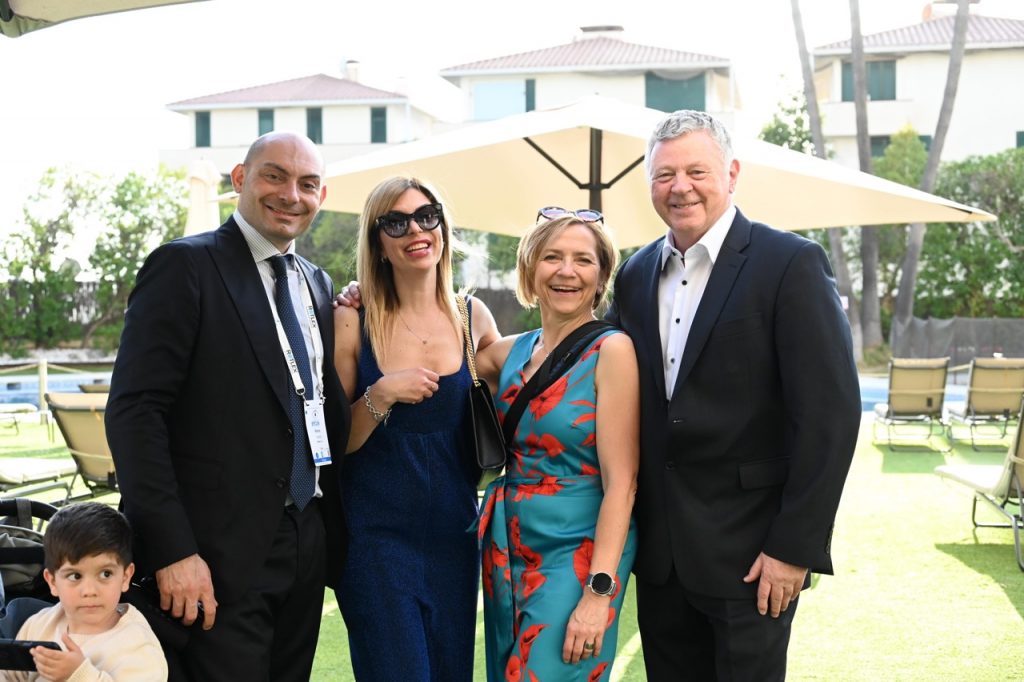
Around 300 participants took advantage of the opportunity to network away from the exhibition booths and lecture halls. In addition to Spanish hospitality and culinary specialties, various entertainment options created a relaxed atmosphere. It is precisely these kinds of encounters that have been among EFCLIN’s strengths for many years and play a key role in ensuring that many participants return year after year.
AI and HOA as topics of the future
Theme-wise, the congress was held under the motto “Anchored in Innovation, Driven by Vision.” Accordingly, future-oriented topics related to digitalization and artificial intelligence were prominently featured.
The Regulatory and Quality session on Thursday already addressed the impact of AI on quality management and regulatory processes. On Friday, the opening session revisited the topic and demonstrated how AI is increasingly finding its way into industrial manufacturing processes.
Another key focus was on the correction of higher-order aberrations (HOA). The topic was featured in both the lecture program and the accompanying wet lab. The hands-on workshops were fully booked on multiple occasions, underscoring the industry’s keen interest in customized optical solutions and new manufacturing processes.
In addition, numerous presentations addressed regulatory developments, the future of contact lens and scleral lens fittings, and current developments in the field of intraocular lenses.
Regulation and sustainability
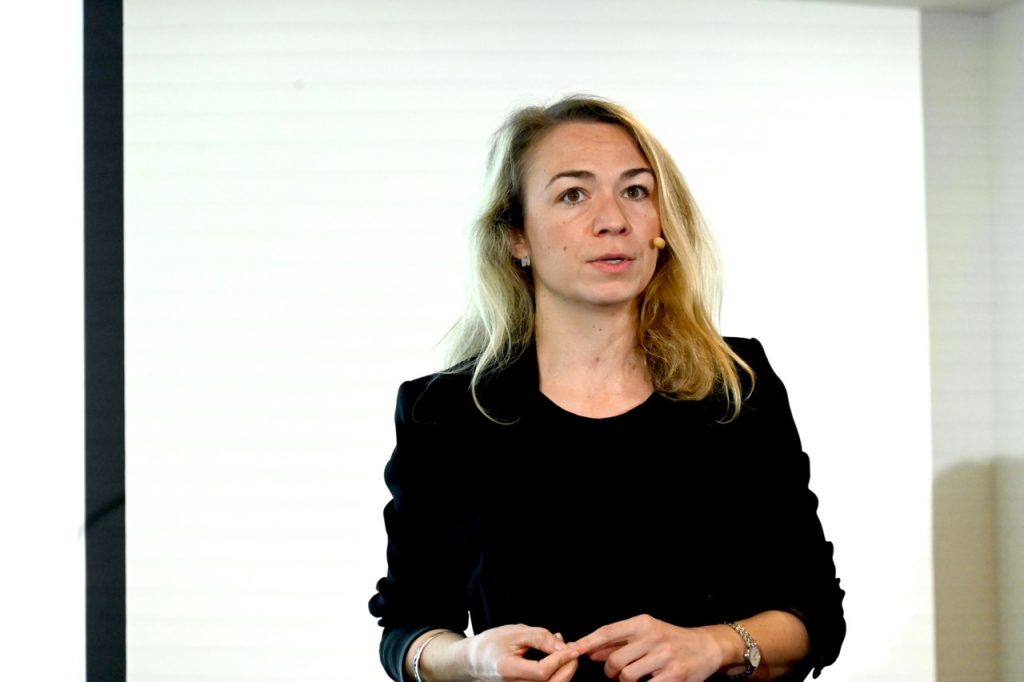
The presentation of Laure-Anne Martinet, Secretary General of EuromContact, highlighted the regulatory and political issues that will occupy the industry in the coming years.
Martinet painted a relatively optimistic picture. While the contact lens industry had faced several regulatory crossroads just a year ago, she noted that the direction of development is now much clearer. Her remarks focused on the European Medical Device Regulation (MDR), the planned PFAS regulation, new packaging requirements, and standards related to sustainability and the circular economy.
A key topic was the introduction of the so-called Master UDI (Unique Device Identification). Starting in November 2026, manufacturers of soft and RGP lenses who market their products in Europe will be required to assign corresponding identification numbers and register their products. At the same time, the requirements for registering manufacturers and products in European databases will be further expanded. Switzerland is also currently working on its own registration system, which is to be based on the Master UDI system as well.
In addition, Martinet reported on the planned revision of European medical device legislation. The European Commission’s goal is to reduce the administrative burden –particularly for lower-risk products – to simplify procedures, and to accelerate the entry of innovative products into the European market. At the same time, processes are to be further digitized and harmonized across Europe.
Particular attention was paid to the PFAS debate, which has had the potential to significantly impact the contact lens industry for several years. According to Martinet, the relevant committees of the European Chemicals Agency (ECHA) now support exemptions for RGP lens materials. Many companies view this as an important signal, as fluorinated materials continue to play a central role in numerous high-performance applications.
Sustainability issues are also becoming increasingly important in the industry. EuromContact is currently working on market analyses, disposal campaigns, and tools for assessing the environmental footprint of contact lenses and care products, among other initiatives. A recent study on disposal habits shows that the majority of contact lens wearers dispose of their lenses properly. However, around 25% of respondents still report disposing of used lenses down the sink or toilet. The industry continues to see a need for education in this area.
The market, on the other hand, has shown positive growth. According to figures presented by EuromContact, the contact lens industry most recently recorded growth of around 6% in the EMEA region and more than 5% within the European Union. Despite regulatory challenges and economic uncertainties, demand for contact lenses thus remains on a growth trajectory.
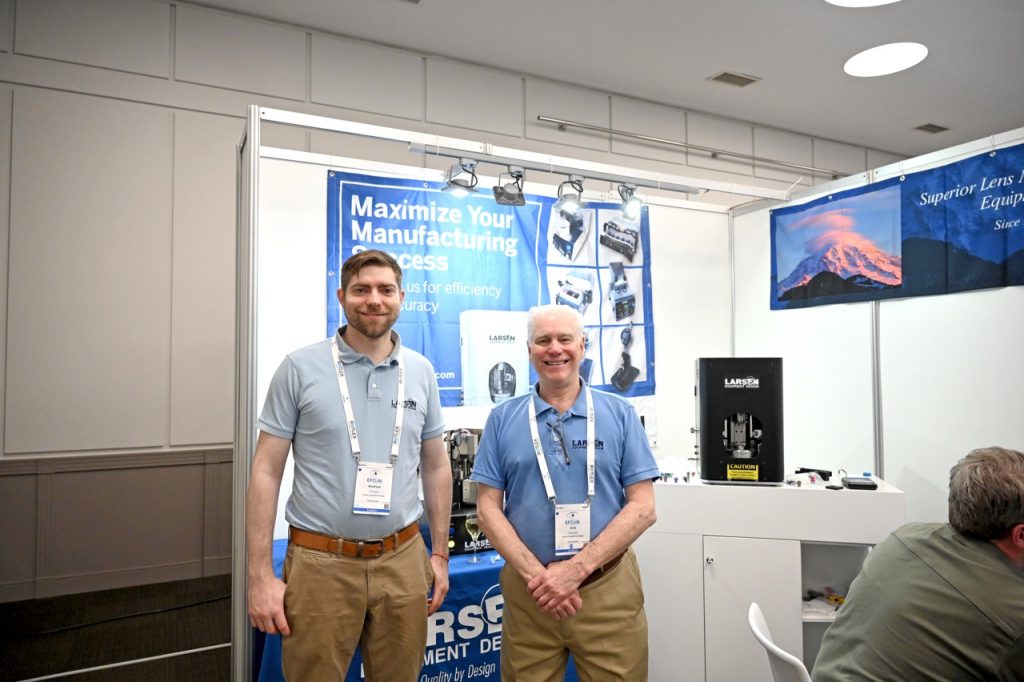
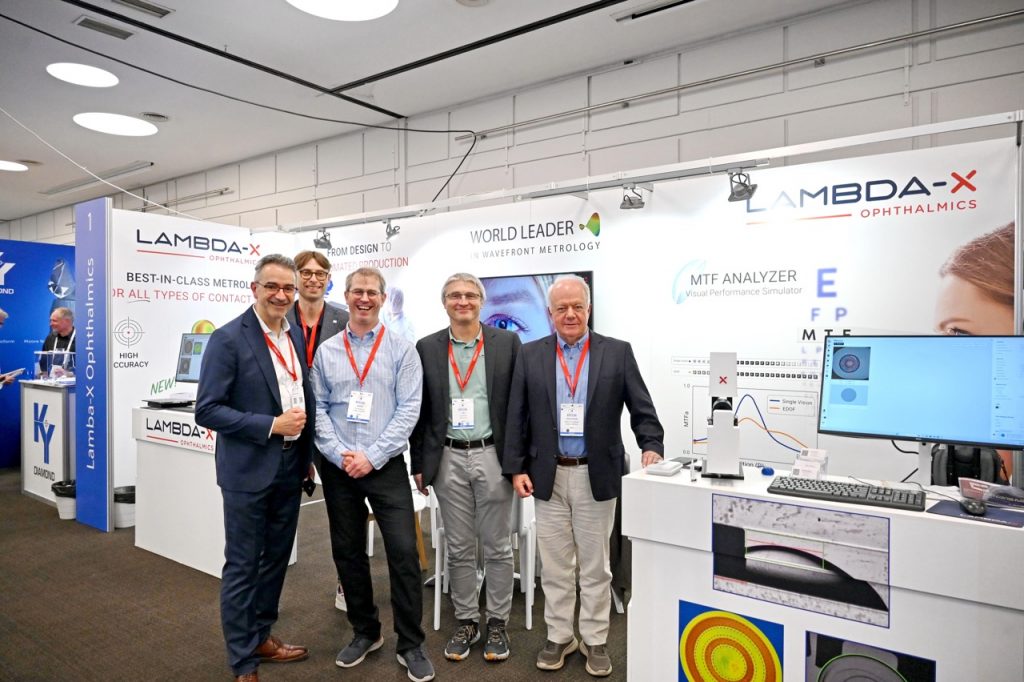
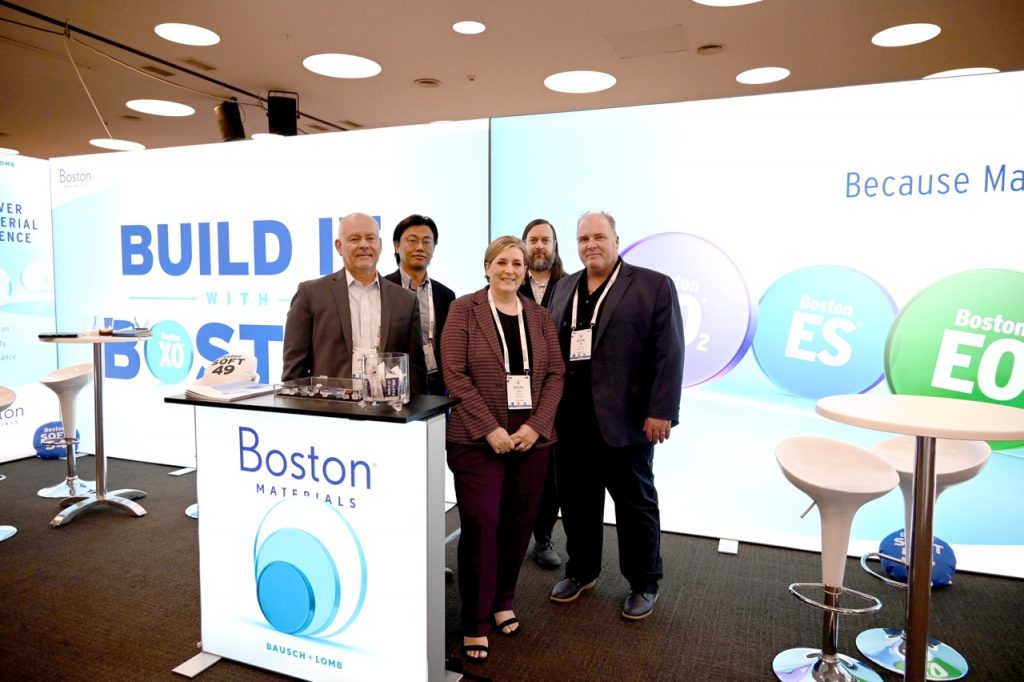
An industry in transition
As in many other industries, the contact lens industry continues to be shaped by consolidation and structural changes. Corporate acquisitions, investments, and new partnerships have recently created a stir in several areas.
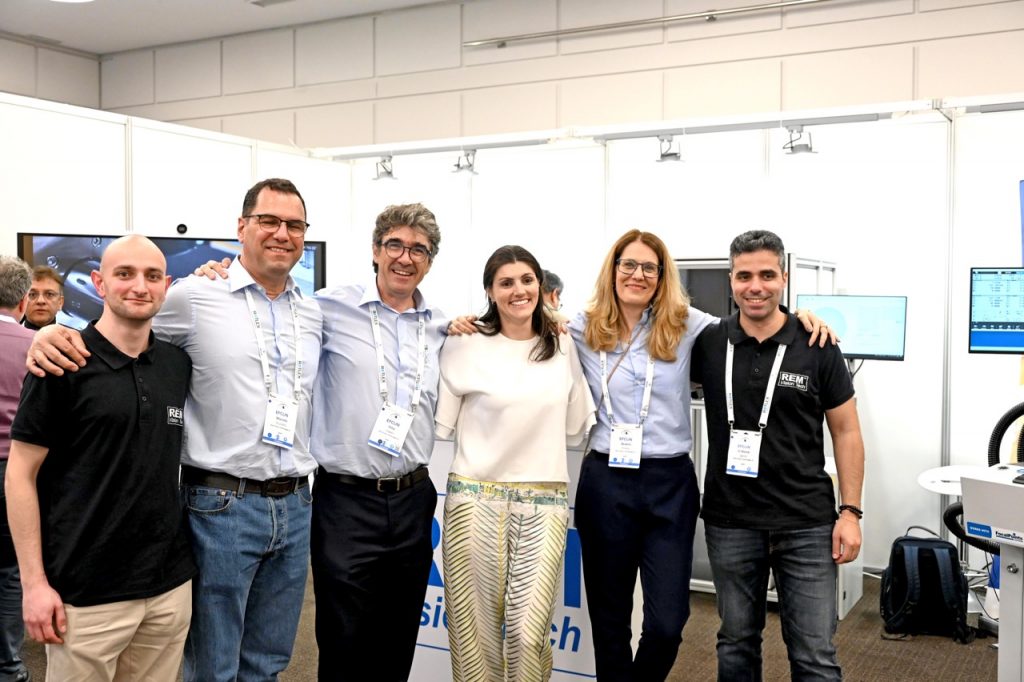
However, it became clear during on-site discussions that these changes have so far had little impact on the unique character of the EFCLIN community. Rather, many participants appreciate the opportunity to discuss current developments, make new contacts, and nurture existing relationships in a familiar setting.
It is precisely this blend of business, expertise, and personal interaction that makes the conference a must-attend event for many visitors. Be sure to mark your calendars for 2027: The next EFCLIN Conference will take place April 22–24 in Dubrovnik, Croatia.
Standing ovations for Marion Beeler-Kaupke
Participants experienced the most emotional moment of the event during the Annual General Meeting (AGM). It was announced there that Marion Beeler-Kaupke will step down as Executive Director of EFCLIN at the end of 2026.
Beeler-Kaupke has played a pivotal role in shaping the association’s development for more than a decade. During this time, numerous processes were professionalized, EFCLIN’s international visibility was strengthened, and the organization was continuously developed. Many participants directly attribute EFCLIN’s current standing to her dedication.
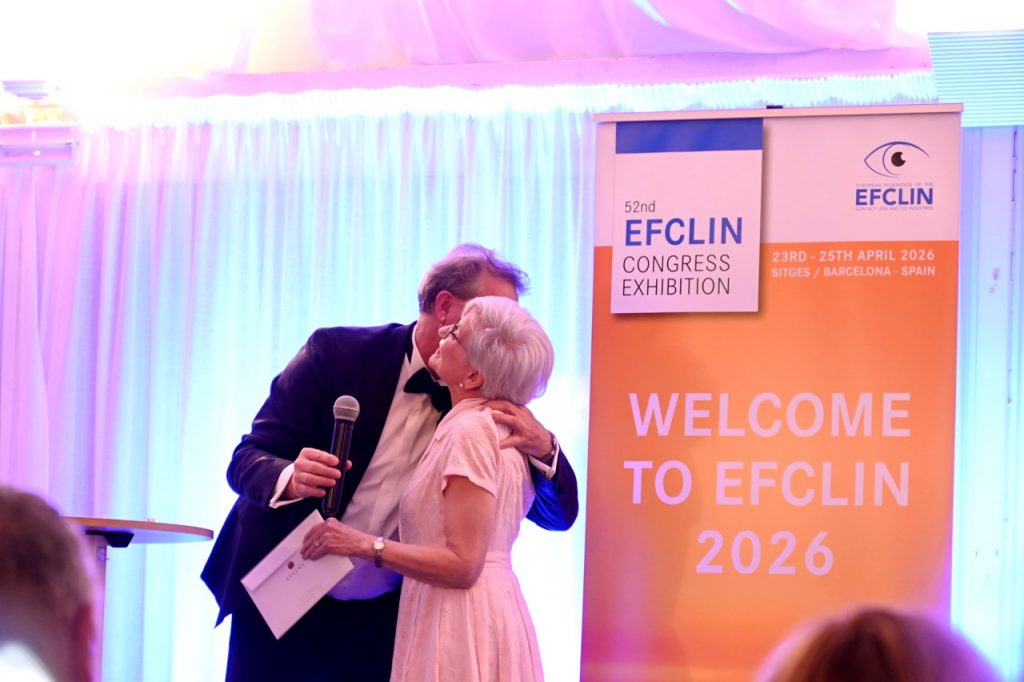
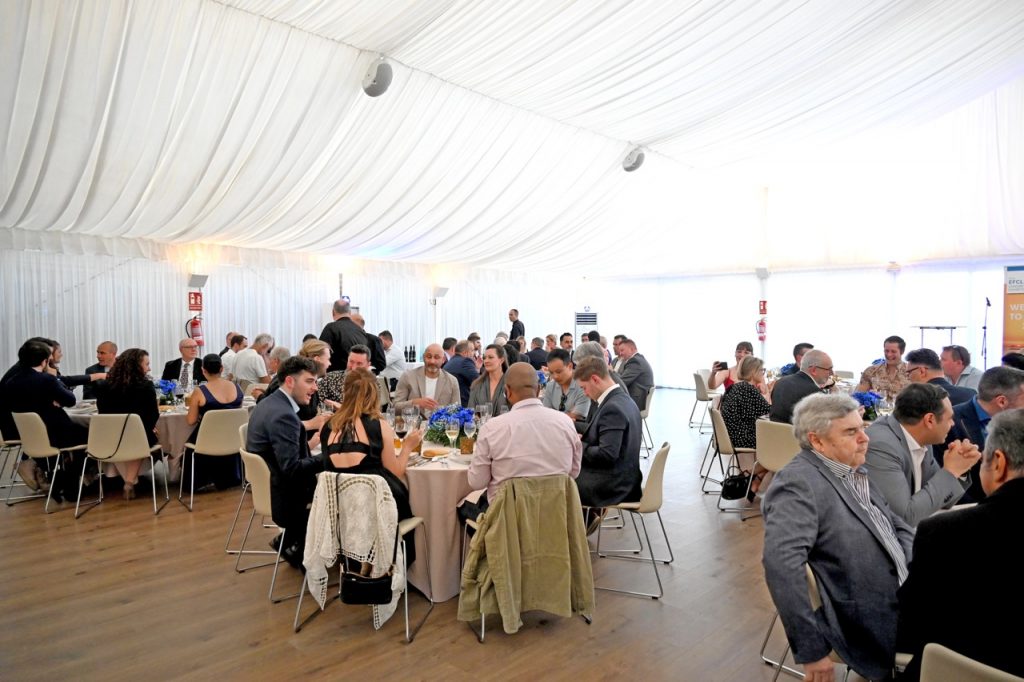
The members’ reaction left no doubt as to the high regard in which Beeler-Kaupke is held within the organization. The announcement of her departure was spontaneously met with standing ovations and prolonged applause. A similar scene unfolded later at the conference dinner, when many participants who had not attended the AGM also expressed their appreciation. Beeler-Kaupke’s visibly emotional reaction made it clear just how significant this moment was for her personally.
At the same time, EFCLIN set the course for the future. Helga Seiler, who is already known to many members from her long-standing work in the industry, was appointed as her successor. With her at the helm, the path toward professionalization charted by Marion Beeler-Kaupke is to be continued.
In the following interview, Marion Beeler-Kaupke and Helga Seiler explain how they are experiencing the transition, what challenges the industry is currently facing, and what prospects they see for EFCLIN.